Google’s dominance in the search engine market is both a blessing and a challenge for marketers.
With a staggering 92% global market share, Google is the go-to platform for most users. However, this dominance also makes it increasingly difficult to secure top rankings on search engine results pages (SERPs). The silver lining? Millions of users still rely on alternative search engines, offering marketers opportunities to expand their reach beyond Google.
Top Search Engines to Watch in 2025
Here’s a list of the most notable search engines, including some AI-powered options that are gaining traction:
- Microsoft Bing
- Yahoo!
- Yandex
- DuckDuckGo
- Baidu
- Ask.com
- Naver
- Ecosia
- AOL
- Internet Archive
- Yep
- Brave Search
- Andi
- Perplexity AI
- Phind.com
- You.com
- Komo
The rise of AI-powered search engines has sparked renewed interest in alternatives to Google, both for users and SEO professionals.
Note: This list is based on global market share data from June 2023 to June 2024, sourced from Statcounter GlobalStats.
Key Insights on Popular Search Engines
1. Google
Google remains the undisputed leader, handling 60% of search queries in the U.S. alone. While this dominance presents challenges for organic traffic, it also offers immense opportunities for marketers.
Google’s recent introduction of AI Overviews, powered by its Gemini AI, provides summarized search results. However, marketers should be cautious, as these features may reduce click-through rates to external websites.
2. Microsoft Bing
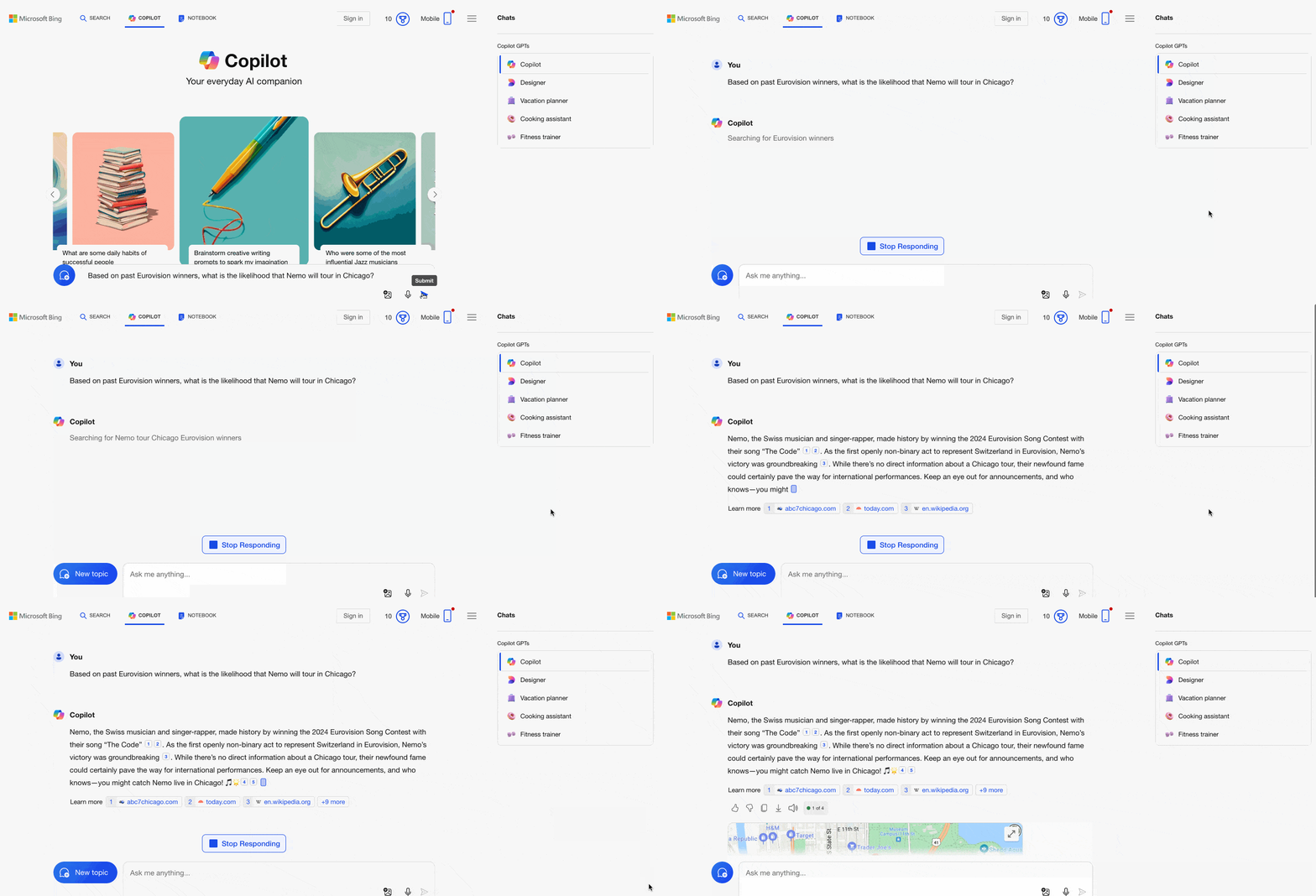
Bing holds a modest 3.23% global market share but powers other engines like Yahoo!. Its Copilot AI feature offers summarized results, though it sometimes obscures direct links, which can be a drawback for SEO-driven traffic.
3. Yahoo!
With a 1.16% global market share, Yahoo! remains a relevant player. Its news-heavy interface and integration with Bing make it a unique option for users seeking a blend of search and news content.

4. Yandex
Yandex dominates in Russia, capturing 71% of the local market. It uses AI across its products and emphasizes local intent in search results, making it a valuable platform for businesses targeting Russian audiences.

5. DuckDuckGo
Known for its privacy-focused approach, DuckDuckGo doesn’t track users or store search data. Its clean interface and growing user base (over 4.5 billion monthly searches) make it a strong contender for privacy-conscious users.

6. Baidu
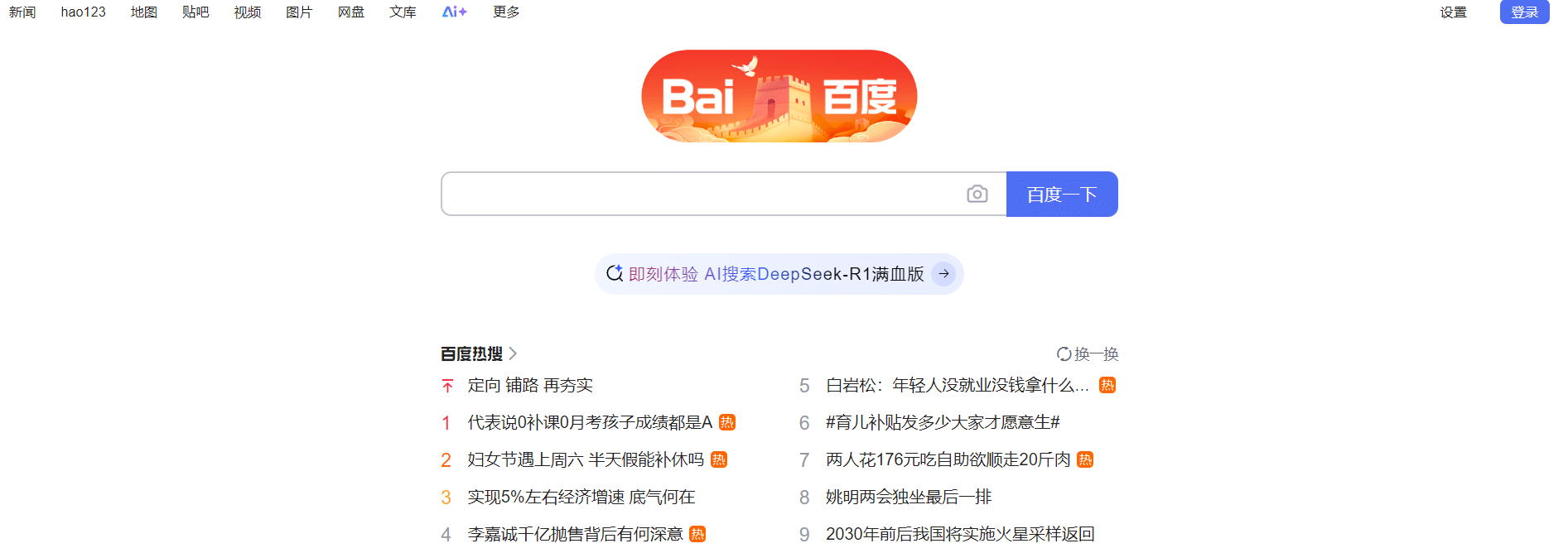
As China’s leading search engine, Baidu holds 52.15% of the local market. While it resembles Google in design, it operates under strict censorship laws, which can impact search results.
7. Ask.com
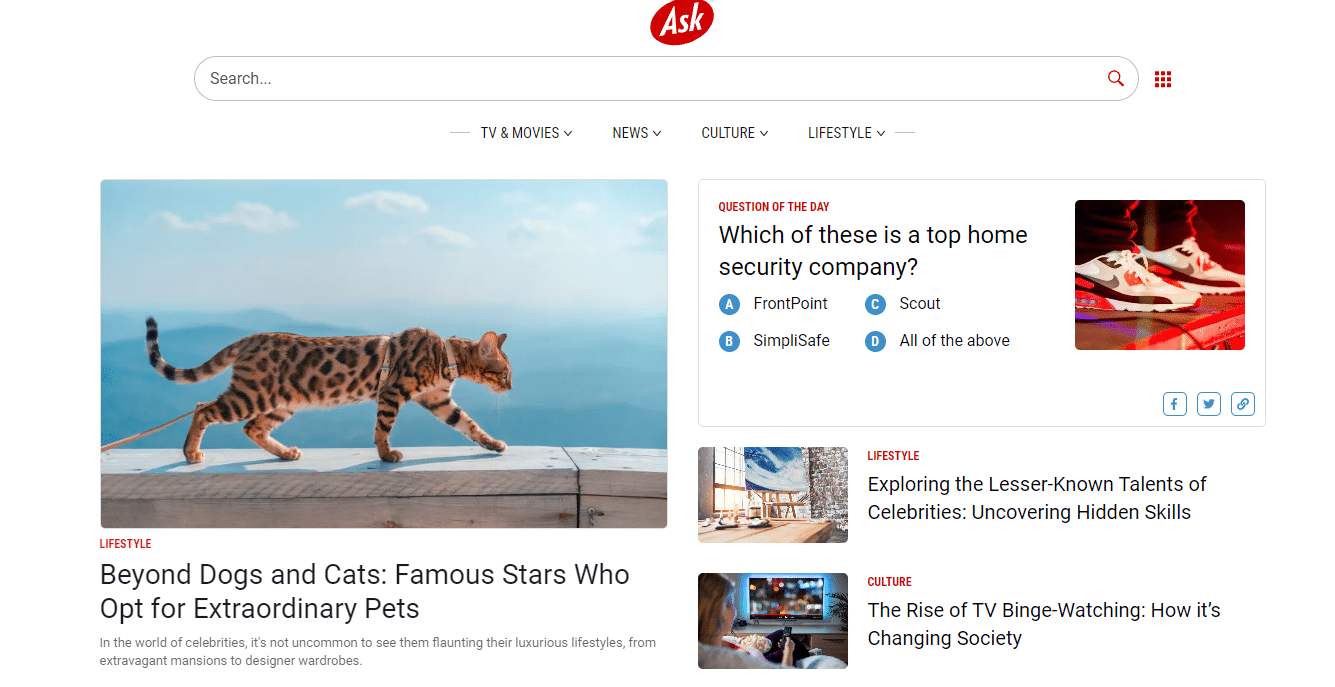
Ask.com, formerly Ask Jeeves, is a question-focused search engine. Its interface is similar to Yahoo!, but it operates independently, offering a unique alternative for users.
8. Naver
South Korea’s second-largest search engine, Naver, holds 53.04% of the local market. It’s a localized platform, meaning it doesn’t index the entire web, making it essential for businesses targeting South Korea.

9. Ecosia
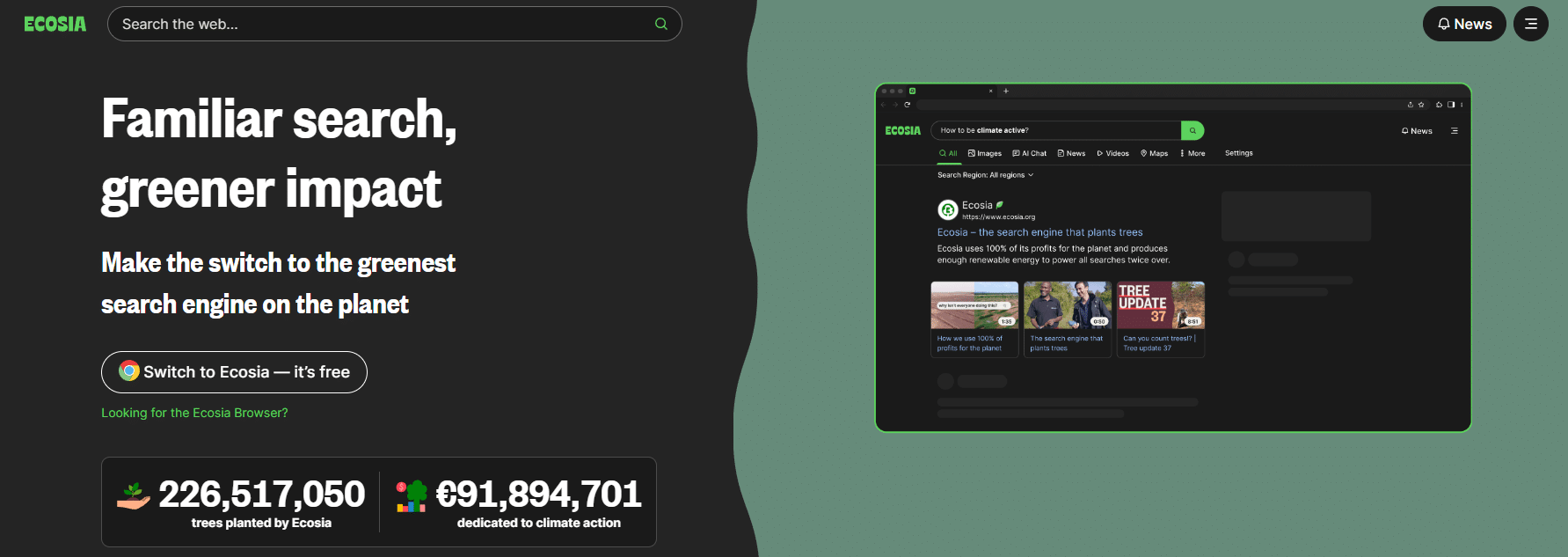
Ecosia stands out for its eco-friendly mission, using ad revenue to plant trees. While it runs on Bing’s infrastructure, its unique value proposition attracts environmentally conscious users.
10. AOL
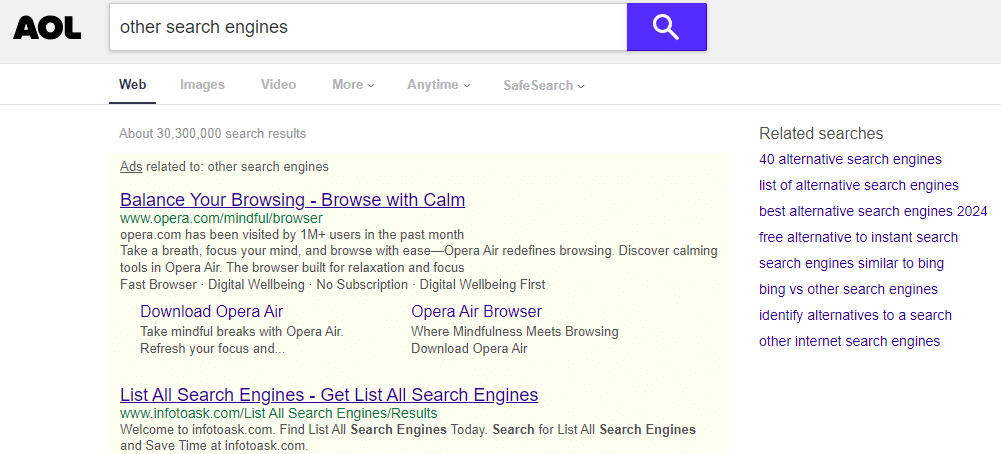
AOL combines search functionality with news and media content. Though its market share is declining, it remains a niche option for certain audiences.
11. Internet Archive
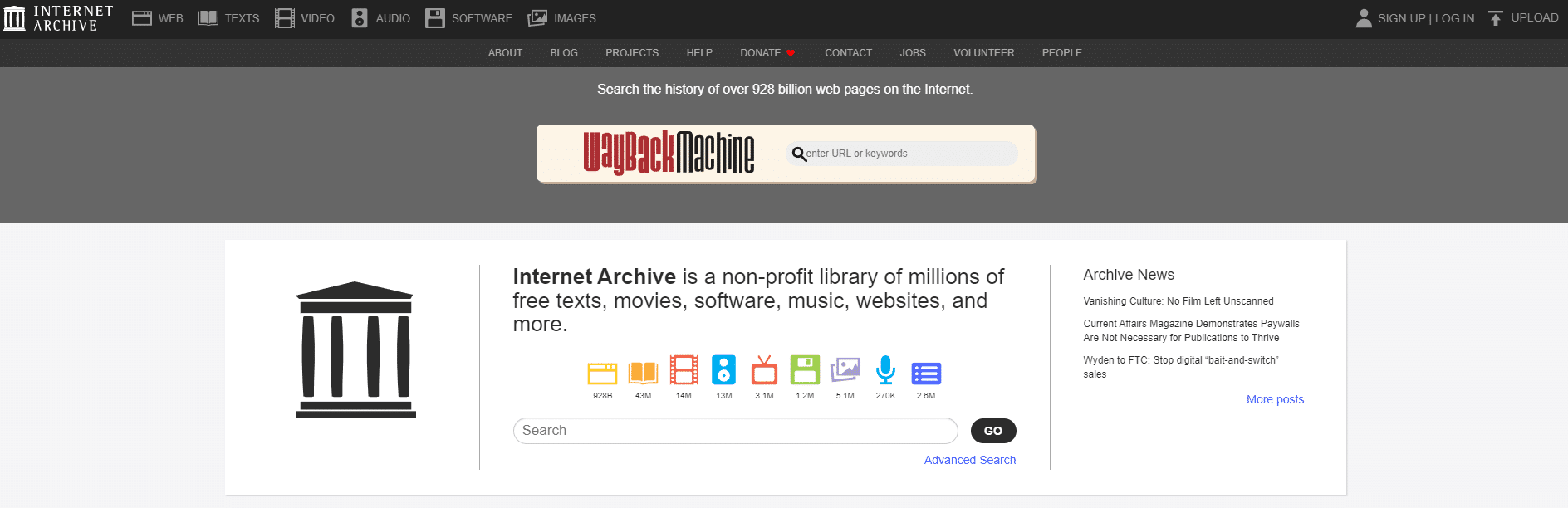
This unique search engine focuses on archiving books, movies, and websites. Users can upload content to the archive, making it a valuable resource for researchers and historians.
12. Yep
Launched by Ahrefs, Yep shares 90% of its ad revenue with content creators. This innovative model encourages high-quality content creation and offers a fresh approach to search.

13. Brave Search
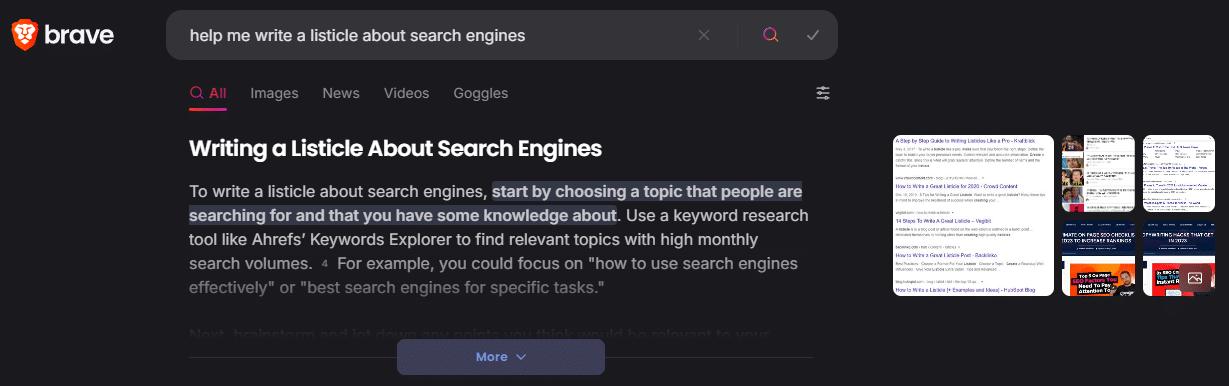
Brave Search prioritizes privacy, blocking ads and cross-site tracking. Its AI-powered summaries and clean interface make it a favorite among privacy-focused users.
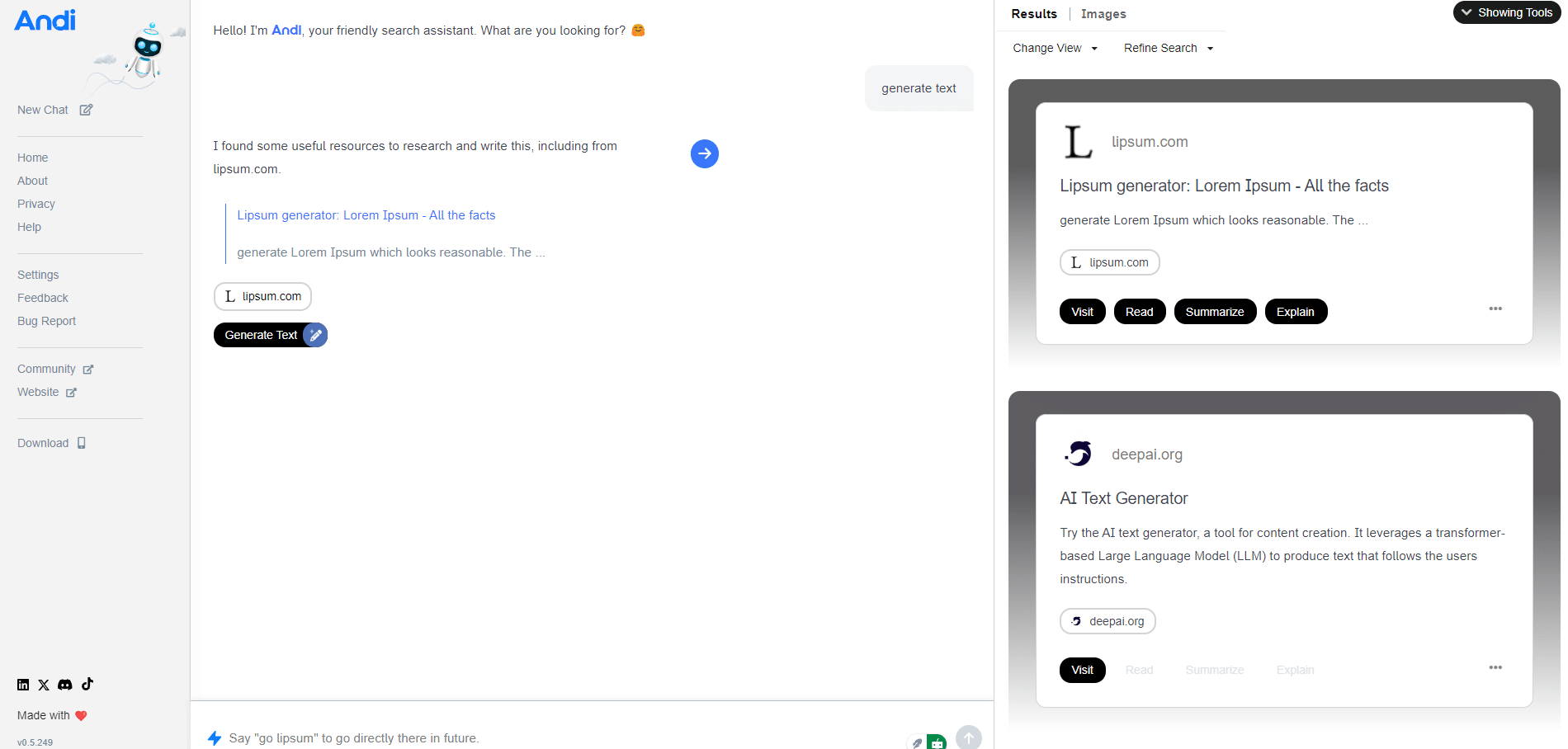
14. Andi
Andi’s split interface displays AI-generated answers alongside source links, making it a reliable option for users seeking credible information.
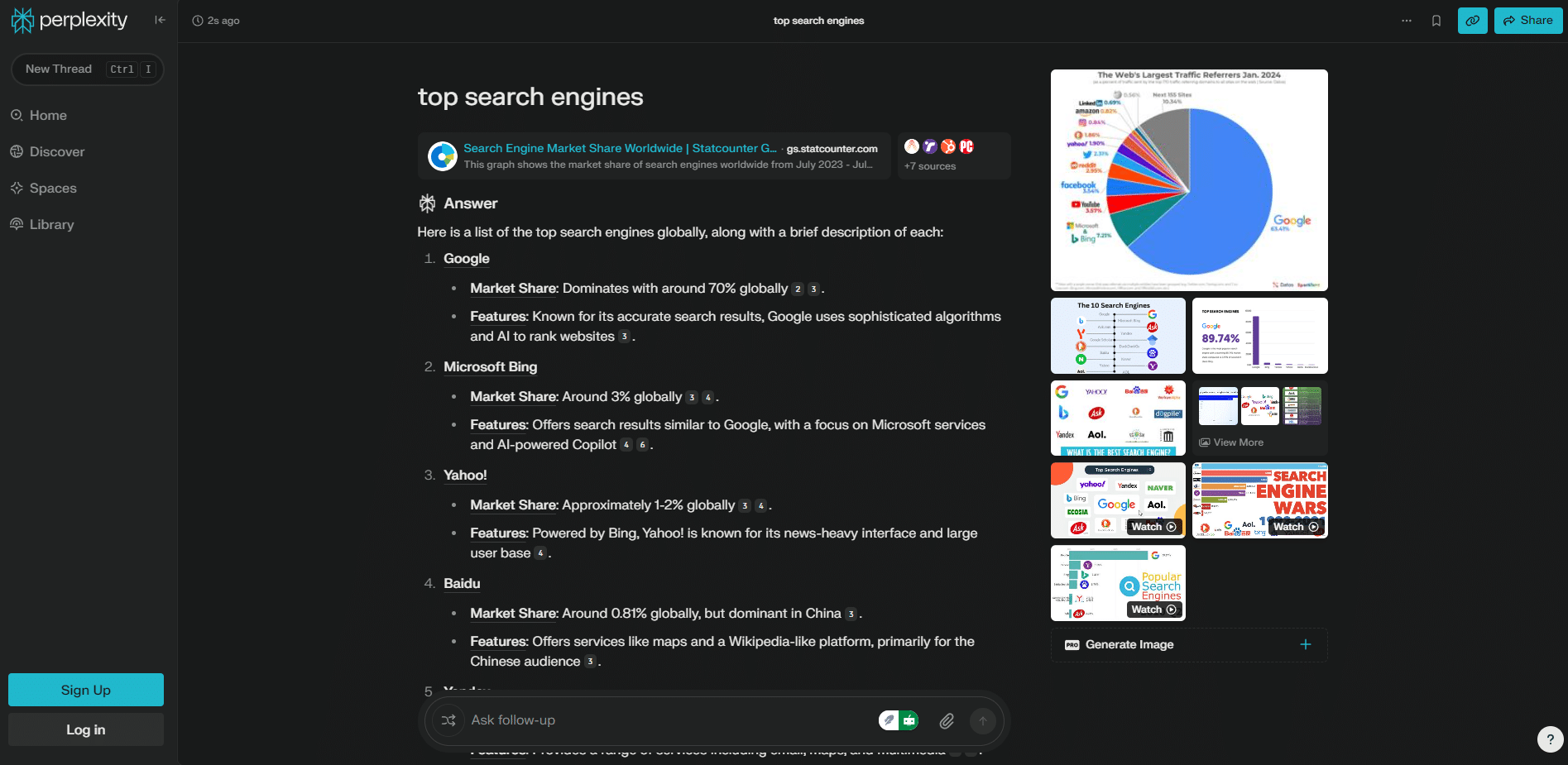
15. Perplexity AI
Perplexity has gained popularity for its user-friendly design and detailed, citation-backed answers. It’s a strong contender in the AI search engine space.
16. Phind.com
Designed for developers, Phind.com excels at handling technical queries. It’s a niche but powerful tool for professionals in the tech industry.

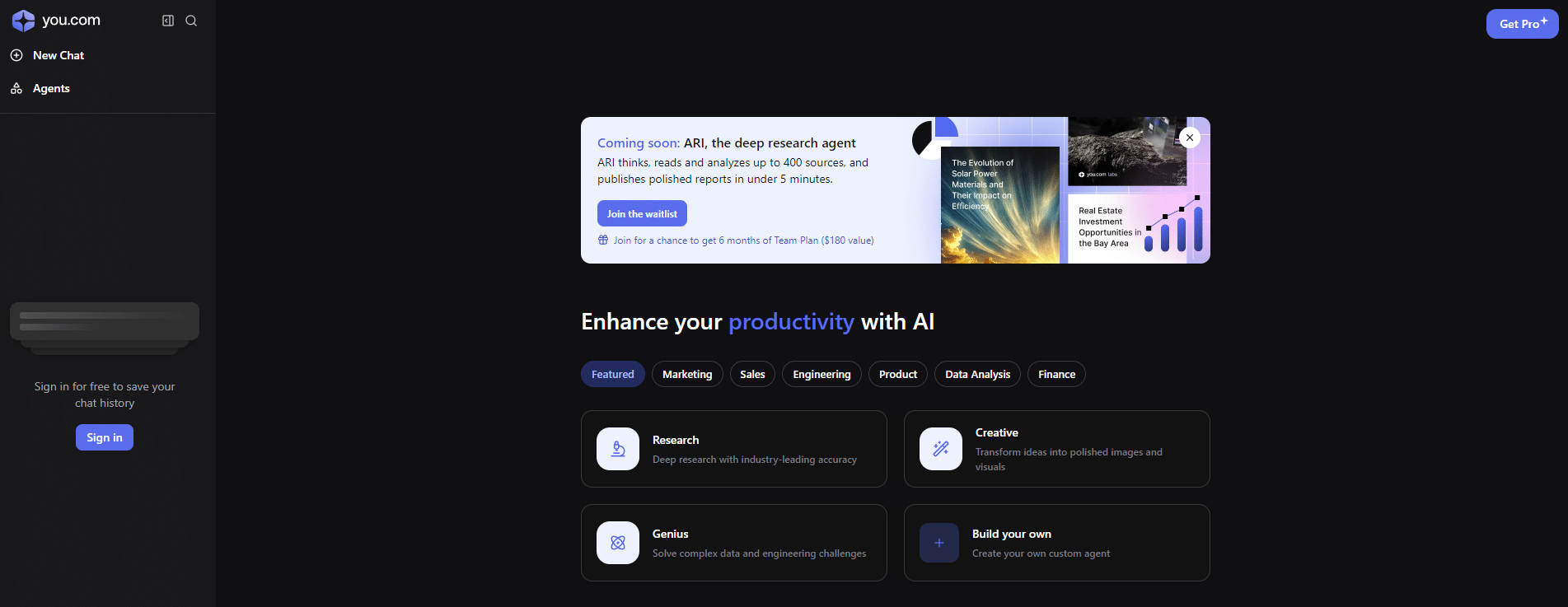
17. You.com
You.com offers multiple AI assistants and models, catering to diverse user needs. Its versatility makes it a standout option for AI enthusiasts.
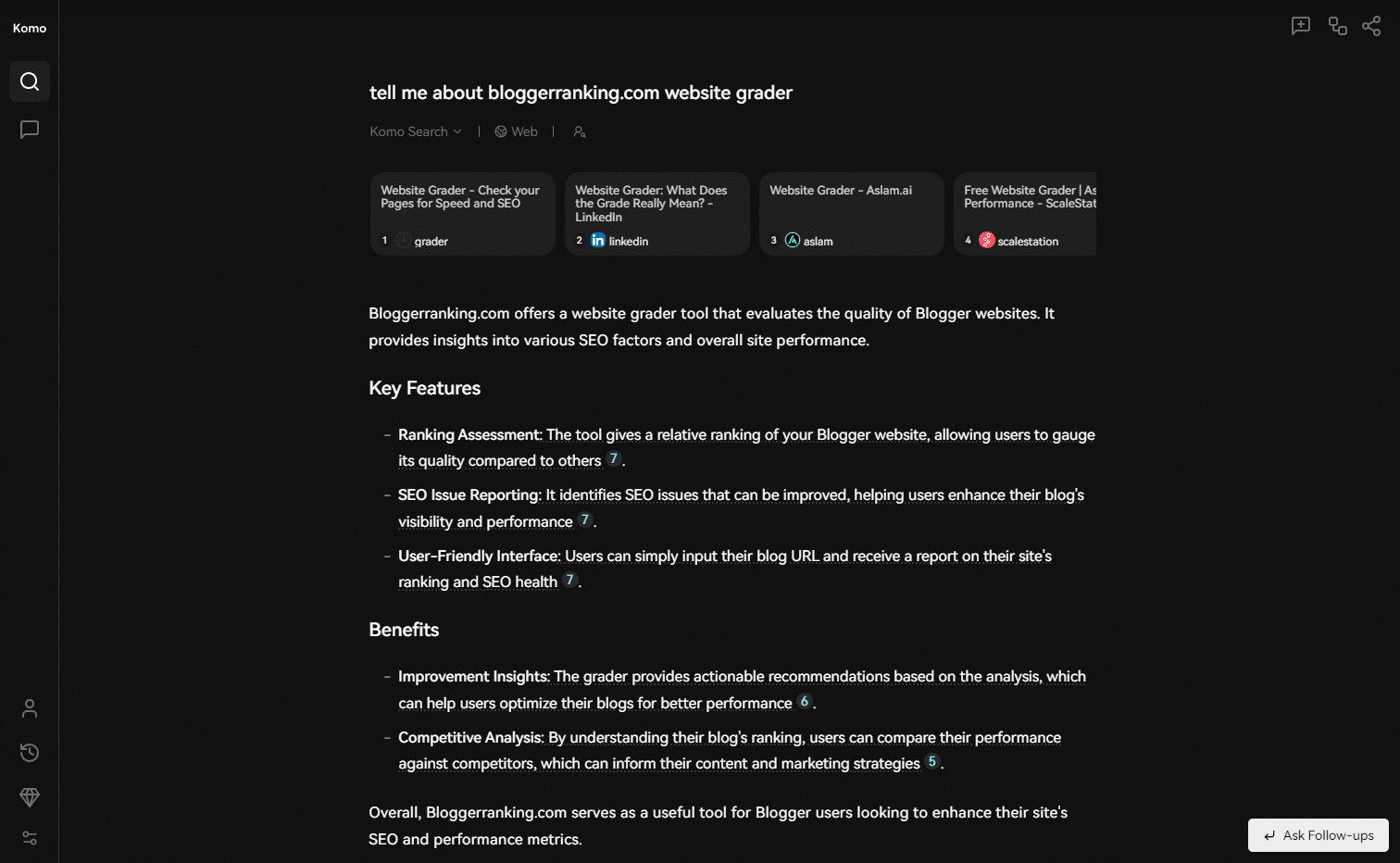
18. Komo
Komo provides concise, citation-backed summaries, making it a reliable choice for users seeking accurate information quickly.
Emerging Trends in Search
Social Media as a Search Tool
Platforms like TikTok and YouTube are increasingly being used for search purposes. Recent studies show that 42% of users turn to social media for information, highlighting the need for marketers to optimize content for these platforms.
Google’s Core Updates
Google’s 2024 Core Update emphasizes high-quality, human-written content over AI-generated material. This shift underscores the importance of creating user-focused, original content to maintain search rankings.
Final Thoughts
While Google remains the dominant player, diversifying your SEO strategy to include alternative search engines can help you reach new audiences and improve your overall visibility. By staying informed about emerging trends and platforms, marketers can adapt to the evolving search landscape and maximize their reach.